Heraclius

Definition and stakes

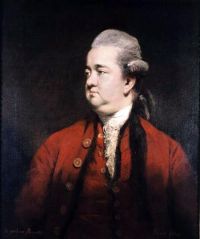
Portrait of Edward Gibbon Edward Gibbon,  History of the Decline and Fall of the Roman Empire…

“ Strong in victory and fame, Heraclius boldly ascended the heights of Mount Taurus, directed his march through the plains of Cappadocia, and established his troops, for the winter season, in safe and plentiful quarters on the banks of the River Halys. His soul was superior to the vanity of entertaining Constantinople with an imperfect triumph; but the presence of the emperor was indispensably required to soothe the restless and rapacious spirit of the Avars. ”
Source: Gutenberg

Portrait of Edward Gibbon Edward Gibbon,  History of the Decline and Fall of the Roman Empire…

“ The return of Heraclius from Tauris to Constantinople was a perpetual triumph; and after the exploits of six glorious campaigns, he peaceably enjoyed the Sabbath of his toils. After a long impatience, the senate, the clergy, and the people, went forth to meet their hero, with tears and acclamations, with olive branches and innumerable lamps; he entered the capital in a chariot drawn by four elephants; and as soon as the emperor could disengage himself from the tumult of public joy, he tasted more genuine satisfaction in the embraces of his mother and his son. ”
Source: Gutenberg

Portrait of Thomas De Quincey Thomas De Quincey,  The Posthumous Works of Thomas De Quincey…

“ Escaping from these painful scenes at the threshold of his public life, we find Heraclius preparing for a war, the most difficult that in any age any hero has confronted. We call him the earliest of Crusaders, because he first and literally fought for the recovery of the Cross. We call him the most prosperous of Crusaders, because he first—he last—succeeded in all that he sought, bringing back to Syria (ultimately to Constantinople) that sublime symbol of victorious Christianity which had been disgracefully lost at Jerusalem. ”
Source: Gutenberg

Get perspective with Kwize: daily news enlightened by great literature