Apurímac River

Definition and stakes

Lardner Gibbon, Lieutenant, U.S.N.,  Exploration of the Valley of the Amazon… (1854)

“ The water from the mountains passes down the ravine to small patches of sugar-cane. The mountains are wild; winding around one of them, we suddenly came in sight of the long-looked for river Apurimac. Its waters foam as they dash over its rocky bed. Our view was cut off by another turn, and leaving the surface of the earth, we enter a tunnel, cut into the mountain, which stands like its strata, perpendicular, by the side of the river. Sky-light holes are cut through the rock, and as we travel along, in alternate light and darkness, the arrieros shout at the top of their voices at the train. ”
Source: Wikisource

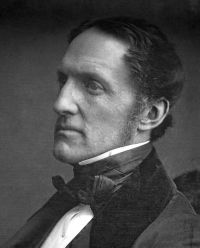
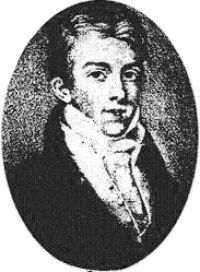
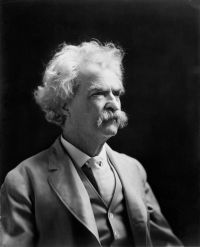
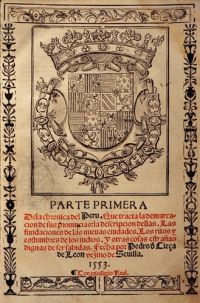
Portrait of Pedro de Cieza de León Pedro de Cieza de León,  The travels of Pedro de Cieza de Léon…

“ FURTHER on is the river of Apurimac, which is the largest of those which are crossed between this place and Caxamarca. It is eight leagues from that of Abancay, and the road is much broken up by mountains and declivities, so that those who made it must have had much labour in breaking up the rocks, and levelling the ground, especially where it descends towards the river. Here the road is so rugged and dangerous, that some horses, laden with gold and silver, have fallen in and been lost without any possibility of saving them. There are two enormous stone pillars, to which the bridge is secured. ”
Source: Gutenberg

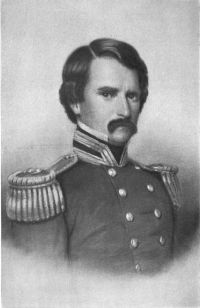
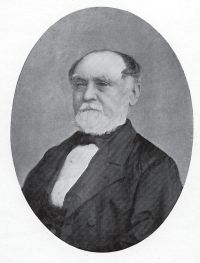
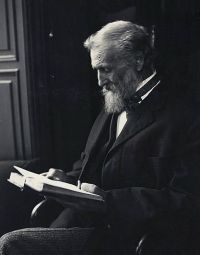
Portrait of Lardner Gibbon Lardner Gibbon,  Exploration of the Valley of the Amazon…

“ The Apurimac empties into the river Santa Ana, and is an important tributary to the Ucayali, after it receives the waters of the Juaja. We are told the Apurimac was the western boundary of the Inca territory during the reign of the first Inca—Manco Capac. The road from this bridge to Banca post-house winds up the mountain. In some places the rock has been cut like stairs. The arrieros help up the mules by pushing against the lower part of the baggage; we were continually stopping to have the loads fastened on. ”
Source: Gutenberg

Get perspective with Kwize: daily news enlightened by great literature