Battle of Arras

Definition and stakes

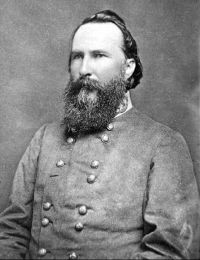
Portrait of Mrs. Humphry Ward Mrs. Humphry Ward,  Towards the Goal

“ On Easter Monday, April 9th, the Battle of Arras began, with the brilliant capture by the Canadians of that very Vimy Ridge I had seen on March 2nd, from the plateau of Notre Dame de Lorette, lying in the middle distance under the spring sunshine. That exposed hill-side—those batteries through which I had walked—those crowded roads, and travelling guns, those marching troops and piled ammunition dumps!—how the recollection of them gave accent and fire to the picture of the battle as the telegrams from the front built it up day by day before one's eyes! ”
Source: Gutenberg

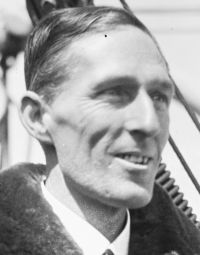
Portrait of Philip Gibbs Philip Gibbs,  From Bapaume to Passchendaele, 1917

“ For some days after the second day of the battle of Arras they had fired a great many shells along and behind our front lines in order to shake the nerve of our troops, and had poured fire into Monchy-on-the-Hill after its capture by our cavalry and infantry during those deadly hours of fighting already described. It was only to be expected that this second phase of the battle of Arras should be extremely hard. For our men it is a battle to the death. ”
Source: Gutenberg

Portrait of Mrs. Humphry Ward Mrs. Humphry Ward,  Towards the Goal

“ Prisoners were indeed collected every day, but there were no "hauls" such as, little more than a month after this evening of March 3rd, were to mark the very different course of the Battle of Arras. Discussion turned upon the pace of the German retreat and the possible rate of our pursuit. "Don't forget," said an officer, "that they are moving over good ground, while the pursuit has to move over bad ground—roads with craters in them, ground so pitted with shell-holes that you can scarcely drive a peg between them, demolished bridges, villages that give scarcely any cover, and so on. ”
Source: Gutenberg

Get perspective with Kwize: daily news enlightened by great literature