Battle of Aspern-Essling

Definition and stakes

Thomas Benfield Harbottle Dictionary of Battles

The battle commenced about four p.m. on the 21st by an attack on the French position at Aspern, and at nightfall the Austrians had established a lodgment in the village. On the 22nd, both armies having been reinforced during the night, the combat was renewed round Aspern, which was taken and retaken ten times, while Essling was the scene of an equally desperate conflict. Towards evening the bridge by which Napoleon had crossed the Danube was swept away, and Napoleon was compelled to retire. Each side lost about 20,000 men, and both claimed the victory.
Source: Gutenberg

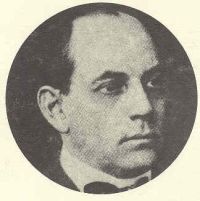
Portrait of Walter Jerrold Walter Jerrold The Danube (1911)

They occupied the villages of Aspern and Essling, and on the following day were attacked by the Austrians, the army of whom under the Archduke Charles numbered eighty thousand. For two days the battle raged, a further forty thousand Frenchmen crossing the river and making the forces equal. During the struggle the village of Aspern was five times lost and won, but at length Napoleon was forced to order a retreat on to the island of Lobau. The bridges were carried away, and the great army was encamped for two days without food and without ammunition, cut off from Vienna.
Source: Gutenberg

L. Mühlbach A Conspiracy of the Carbonari

Terrible indeed had been those two days of the battle of Aspern or Esslingen. The infuriated foes hurled death to and fro from the mouths of more than four hundred cannon. The earth shook with the thunder of their artillery, the stamping of their steeds; the air resounded with the shouts of the combatants, who assailed each other with the fury of rage and hate, fearing not death, but defeat; scorning life if it must be owed to the conqueror's mercy, neither giving nor taking quarter, and in dying, praying not for their own souls, but for the defeat and humiliation of the enemy!
Source: Gutenberg

Get perspective with Kwize: daily news enlightened by great literature