Battle of Bladensburg

Definition and stakes

G. R. Gleig The Campaigns of the British Army at Washington and New Orleans 1814-1815

But so obvious and so natural a plan of defence they chose to reject and determining to trust all to the fate of a battle, they were guilty of a monstrous error again. Bladensburg ought not to have been left unoccupied. The most open village, if resolutely defended, will cost many men before it falls; whereas Bladensburg, being composed of substantial brick houses, might have been maintained for hours against all our efforts.
Source: Gutenberg

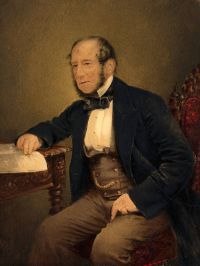
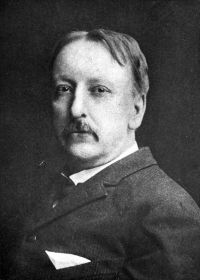
Portrait of William Eleroy Curtis William Eleroy Curtis One Irish Summer

He takes an active part in political and ecclesiastical affairs and is always occupying a front seat when anything is going on. He signs himself John Ross of Bladensburg, because his grandfather, Major General Ross, commanded the British troops at the battle of Bladensburg, and after one of the most bloody and important conflicts in the history of human warfare he led them triumphantly into the capital of the United States and destroyed the palace of the President, the parliament house, and the navy yard!
Source: Gutenberg

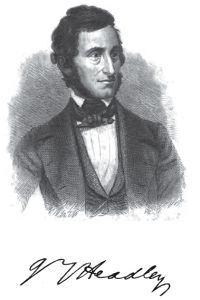
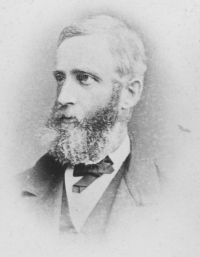
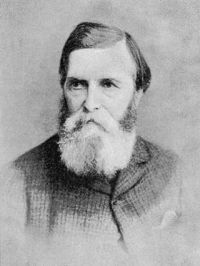
Portrait of Leslie Stephen Leslie Stephen Dictionary of National Biography… (1898)

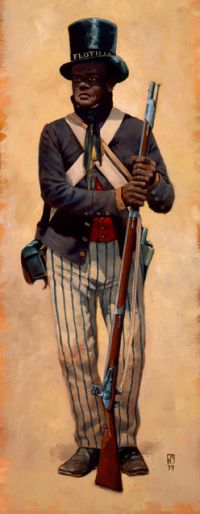
He was severely wounded, and, the enemy being completely defeated, he was left at Bladensburg when the British army advanced to Washington. The raid on Washington and the destruction of its public buildings having been successfully accomplished, Ross returned to the ships, leaving his wounded at Bladensburg under charge of Commodore Burney of the American navy, who had been wounded and taken prisoner at the battle of Bladensburg, and who was given his parole.
Source: Wikisource

Get perspective with Kwize: daily news enlightened by great literature