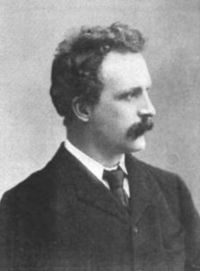
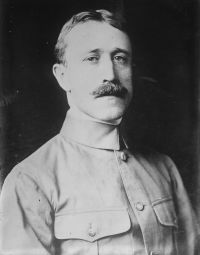
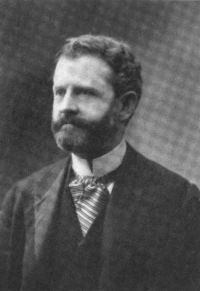
Erich Ludendorff (1865–1937), a German general and politician, played a crucial role in World War I as a principal designer of military tactics and an informal head of Germany’s war effort. His impact ranged from the triumphs at Liège and Tannenberg to his later promotion of the “stab-in-the-back” myth, which stoked nationalist grievances. Authors such as Graf Ottokar Czernin portrayed him as a troubled patriot, while A.F.
Pollard underscored his tactical advancements, such as the infiltration tactics that influenced the German Spring Offensive. Harold Spender focused on his conviction that Allied morale was vital to success, and Frederick Palmer observed his difficulty in adjusting to evolving battlefield conditions. These differing viewpoints highlight Ludendorff’s intricate legacy: a military planner whose aspirations clashed with the harsh realities of war, eventually contributing to political instability and the emergence of extremism.