Battle of Corunna

Definition and stakes

Richard Cannon Historical record of the Thirteenth…

In the General Orders issued by Lieut.-General Sir John Hope (afterwards Lord Hopetoun) , congratulating the army upon the successful result of the Battle of Corunna, on the 16th of January, 1809, it is stated:—“On no occasion has the undaunted valour of British troops ever been more manifest. At the termination of a severe and harassing march, rendered necessary by the superiority which the enemy had acquired, and which had materially impaired the efficiency of the troops, many disadvantages were to be encountered.
Source: Gutenberg

Robert Melvin Blackwood The Battles of the British Army

Corunna was not a battle of manœuvre, but a field of determined resistance. The officers commanding the different battalions fought their regiments gallantly; the dispositions for the engagement were simple and understood; the attempts upon the left and centre were repulsed; and the French, beaten on every point, fell back as night came on.
Thus ended the conflict of Corunna; and when every disadvantage is taken into consideration under which the British fought, its results were glorious, and the courage and coolness displayed throughout most honourable to the troops employed.
Source: Gutenberg

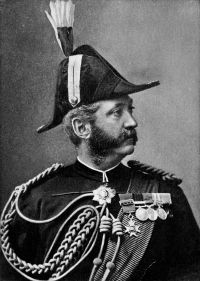
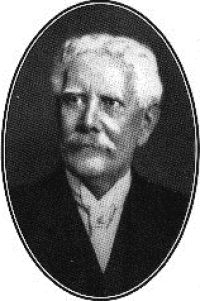
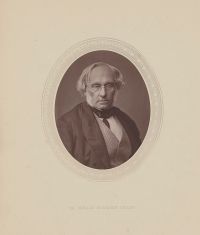
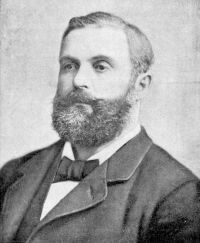
Portrait of Sir William Francis Butler Sir William Francis Butler Sir Charles Napier

The enemy in front would not attack, and beyond the sea—there, where these vessels were so soon to carry him and his army—he knew but too well that there was another enemy waiting to write him down and vote him down, and to heap sneer and censure upon his actions. All at once there came the sound of a heavy cannon. Another and another shot rolled round the echoing hills. The fine face flushed with the light of hope, spurs were driven deep into the charger's flanks, and, galloping at full speed along the rocky causeway, Moore was soon upon the field—the battle of Corunna had begun.
Source: Gutenberg

Get perspective with Kwize: daily news enlightened by great literature