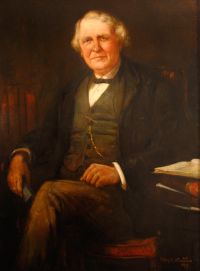
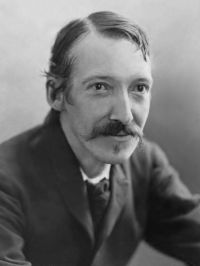
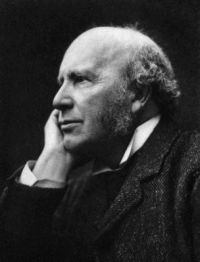
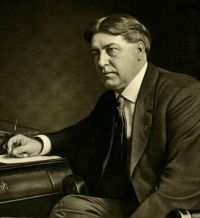
A caisson is a watertight retaining structure used in geotechnical engineering to allow construction in submerged or waterlogged environments, such as bridge foundations, dams, or ship repairs. By removing water, it establishes a dry working area, enabling excavation and stabilization through ballast, piles, or compressed air. Engineers such as Wilhelm Westhofen and Leveson Francis Vernon-Harcourt described its application in projects like the Forth Bridge and Brooklyn Bridge, highlighting techniques such as pneumatic compression, where air pressure displaces water to aid manual digging.
Others, including Robert Ellis Dudgeon, emphasized its versatility in changing environments, such as tidal areas, where caissons operate alongside shifting water levels. The development of caisson design—from open-bottomed forms to pressurized enclosures—illustrates both practical ingenuity and the ongoing challenge of maintaining structural soundness while ensuring worker safety, as evidenced by historical reports of decompression illness.