Battle of Helles

Definition and stakes

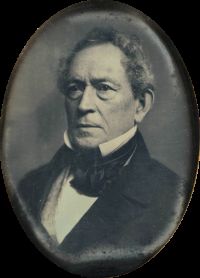
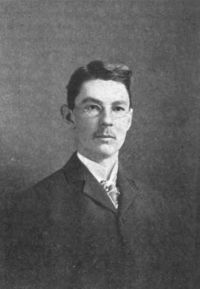
Portrait of William Stearns Davis William Stearns Davis,  A Day in Old Athens; a Picture of Athenian Life

“ If we wish, we can follow and learn much of the Greek system of warfare in general and of the Athenian army in particular.
[*] Of course the greatest military power of Greece had been Sparta until 371 B.C., when the battle of Leuctra made Thebes temporarily “the first land power.”
Even at the present day, when there is plenty of complaint that Athenians are not willing to imitate the sturdy campaigning of their fathers, the citizens seem always at war, or getting ready for it. Every citizen, physically fit, is liable to military service from his eighteenth to his sixtieth year.
”
Source: Gutenberg

Dorothy Mills,  The book of the ancient Greeks (1925)

“ What is the cause of these things? [he asked] , for as it was not without reason that the Hellenes in old days were so prompt for freedom, so it is not without reason or cause that they are now so prompt to be slaves. There was a spirit, men of Athens, a spirit in the mind of the People in those days which is absent today, the spirit which vanquished the wealth of Persia, which led Hellas in the path of freedom, and never gave way in face of battle by sea or land; a spirit whose extinction today has brought universal ruin and turned Hellas upside down. ”
Source: Gutenberg

Demosthenes,  The Public Orations of Demosthenes…

“ But I cannot believe that any Hellene would march against Hellas. Whither will he turn afterwards? Will he go to Phrygia and be a slave? 32 For the war with the foreigner is a war for no other stake than our country, our life, our habits, our freedom, and all that we value. Where is the wretch who would sacrifice self, parents, sepulchres, fatherland, for the sake of some short-lived gain? I do not believe that he exists. And indeed it is not even to the king's own interest to conquer the Hellenes with a mercenary force ”
Source: Wikisource

Get perspective with Kwize: daily news enlightened by great literature