Battle of Spottsylvania

Definition and stakes

William Meade Dame From the Rapidan to Richmond and the Spottsylvania Campaign

In our front, this artillery fire kept up for a while, then it stopped! The next moment, there was an awful rush! From every quarter their infantry came pouring on over the fields, and through the woods, yelling and firing, and coming at a run. Their columns seemed unending! Enough people to sweep our thin lines from the face of the earth! Up and down our battle line, the fierce musketry broke out. To right and left it ran, crashing and rolling like the sound of a heavy hail on a tin roof, magnified a thousand times, with the cannon pealing out in the midst of it like claps of thunder.
Source: Gutenberg

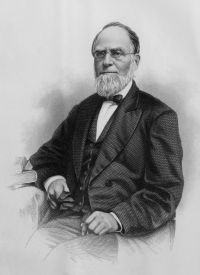
Portrait of Ann S. Stephens Ann S. Stephens Pictorial history of the war for the Union… (1866)

Tunnel Hill, Ga., taken by Gen. Thomas.
7. Severe fight at Todd’s Tavern, between Custar’s and rebel cavalry. Loss, 250 on each side.
7. Battle near Petersburg, Va., between Gen. Butler’s army and the rebels.
7. Tazewell salt-works destroyed by Gen. Averill.
8. General Hancock’s corps passed through Spottsylvania C. H. at daylight, and, at noon, his headquarters were 20 miles south of the battle-field of the 6th.
8. Battle of Spottsylvania C. H., Va., commenced. The armies near Spottsylvania C. H. engaged from 8 to 12 M., at which time Fed. forces gained the point for which they contended.
Source: Gutenberg

William Meade Dame From the Rapidan to Richmond and the Spottsylvania Campaign

It fought at Manassas, Williamsburg, Seven Pines, Seven Days’ Battle around Richmond in 1862, Second Manassas, Sharpsburg, Harpers Ferry, Fredericksburg, Chancellorsville, Gettysburg, Morton’s Ford, The Wilderness, The Battles of Spottsylvania Court House, North Anna, Pole Green Church, Cold Harbor, Petersburg, and at Appomattox Court House. Every one of the cannoneers, who had not been killed or wounded, was at his gun in its last fight.
Source: Gutenberg

Get perspective with Kwize: daily news enlightened by great literature