"Becky Sharp" (1935), directed by Rouben Mamoulian and Lowell Sherman, is a Technicolor milestone and adaptation of William Makepeace Thackeray’s novel Vanity Fair, following a woman from humble origins as she ascends and subsequently declines in 19th-century British society. As the first feature film to use three-strip Technicolor throughout, it transformed the use of color in cinema, combining technical innovation with narrative depth.
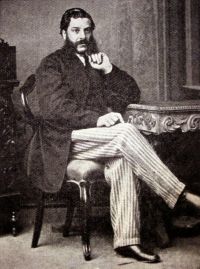
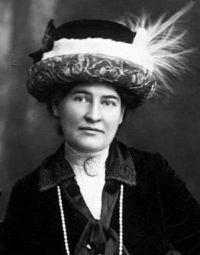
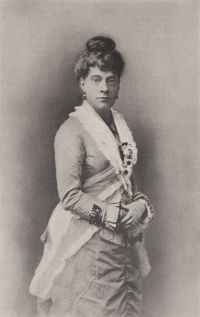
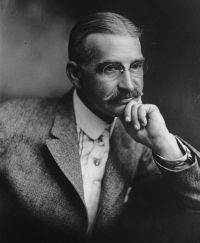
Authors and critics, from Thackeray to Richard Marsh, have long analyzed Becky Sharp’s intelligence and moral complexity, portraying her as an emblem of social ambition and the instability of power. Whether through Marsh’s meditation on the pointlessness of love or Owens’ recognition of her impact, the character remains a nuanced tool for exploring societal structures and human endurance. The film’s legacy lies in its blend of visual grandeur and thematic depth, establishing Becky Sharp as both a technical and narrative achievement.