Benedict XIII

Definition and stakes

1911 Encyclopædia Britannica (1910)

Benedict XIV. (Prospero Lorenzo Lambertini) , pope from 1740 to 1758, was born at Bologna on the 31st of March 1675. At the age of thirteen he entered the Collegium Clementinum at Rome. He served the Curia in many and important capacities, yet devoted his leisure time to theological and canonistic study. Benedict XIII. made him archbishop of Theodosia in partibus, then of Ancona (1727) , and the next year created him cardinal priest. In 1731 Clement XII. translated him to his native city of Bologna, where as archbishop he was both efficient and popular.
Source: Wikisource

1911 Encyclopædia Britannica (1911)

At the next election (1724) he was himself proposed for the papal chair, and secured ten votes at the Conclave which elected Benedict XIII. Benedict’s successor, Clement XII. (elected 1730) , named him legate of Ravenna, in which capacity he incurred the pope’s displeasure by the strong and unwarrantable measures he adopted to reduce the little republic of San Marino to subjection to Rome.
Source: Wikisource

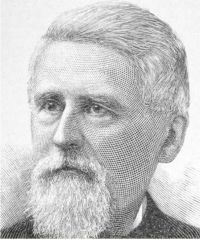
Portrait of Thomas J. Campbell Thomas J. Campbell The Jesuits, 1534-1921

Clement XIII was the ardent defender of the Society during the ten stormy years of his pontificate; and finally Clement XIV yielded to the enemy and put his name to the Brief which legislated the Order out of existence.
[437] Perhaps there never was a Pope who enjoyed such universal popularity as the brilliant Benedict XIV. His attractive personality, his great ability as a writer, his readiness to go to all lengths in the way of concession, elicited praise even from heretics, Turks and unbelievers.
Source: Gutenberg

Get perspective with Kwize: daily news enlightened by great literature