Bombay Army

Definition and stakes

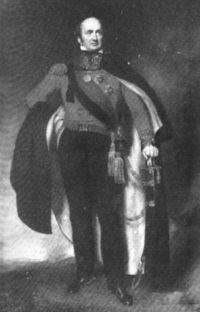
T. W. E. Holdsworth,  Campaign of the Indus

“ We have here certainly the flower of the Bombay army, and a very respectable force in every respect: two of the best European regiments, four of the best native, the 4th dragoons, two regiments of light cavalry, two troops of horse artillery in prime order, and a battalion of foot artillery, together with a splendid band of auxiliary horse from Cutch, the finest looking fellows I ever saw: they arrived here on the same day as ourselves. ”
Source: Gutenberg

James M. Campbell,  History of Gujarát

“ The Army Disloyal.Notwithstanding all these elements of danger there would probably have been no revolt if the army had remained loyal. Fortunately the Bombay army was composed of a great variety of races, Musalmáns of the Shia and Sunni sects, Maráthás of the Dakhan and Konkan, Parváris, Pardeshis, and a few Jews and Christians. Little community of sentiment could exist, in so heterogeneous a force, and to this circumstance we may trace the failure of each mutinous outbreak in the regiments of the Bombay army. ”
Source: Gutenberg

Charles Francis Atkinson,  1911 Encyclopedia Britannica (1911)

“ In 1708 Bombay became a presidency, but it did not play so important a part as the others in the early extension of British power, and its forces were not so rapidly developed. It is said, however, to have been the first to discipline native troops, and Bombay sepoys were sent to Madras in 1747, and took part in the battle of Plassey in 1757. In 1772 the Bombay army consisted of 2500 Europeans and 3500 sepoys, but in 1794, in consequence of the struggles with the Mahratta power, the native troops had been increased to 24,000. ”
Source: Wikisource

Get perspective with Kwize: daily news enlightened by great literature