Book of Amos

Definition and stakes

S. E. Wishard,  The Testimony of the Bible Concerning the Assumptions of Destructive Criticism

“ In addition to this fact we have the testimony of some of the prophets who lived before the exile, that they were familiar with what the critics call "the priestly code," which is elaborated in Leviticus.
Professor Stanley Leathes adduces forty-five allusions to the books of Moses in the book of Amos. (See Bible Student and Teacher, October, 1906.) Amos' prophetic work was "in the northern kingdom, between 807 and 765 B.C., during the reign of Jeroboam II, when the kingdom of Israel was at the height of its splendor." (See Schaff-Herzog, Enc. Art. Amos.)
”
Source: Gutenberg

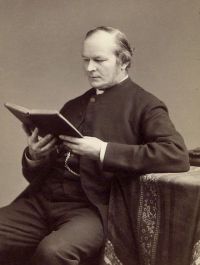
Portrait of F. W. Farrar F. W. Farrar,  The Expositor's Bible: The Second Book of Kings

“ The inestimable value of their teaching lies most of all in the fact that they were—like Moses—preachers of the moral law; and that, like the Book of the Covenant, which is the most ancient and the most valuable part of the Laws [Pg 203] of the Pentateuch, they count external service as no better than the small dust of the balance in comparison with righteousness and true holiness.
The rest of the predictions of Amos were added at a later date. They dwelt on the certainty and the awful details of the coming overthrow; the doom of the idolaters of Gilgal and Beersheba
”
Source: Gutenberg

Portrait of George Adam Smith George Adam Smith,  The Expositor's Bible: The Book of the Twelve Prophets…

“ Into politics they bring facts, but into religion they bring vision.
It is of the utmost significance that this reformer, this founder of the highest order of prophecy in Israel, should not only thus begin with facts, but to the very end be occupied with almost nothing else, than the vision and record of them. In Amos there is but one prospect of the Ideal. It does not break till the close of his book, and then in such contrast to the plain and final indictments, which constitute nearly all the rest of his prophesying, that many have not unnaturally denied to him the verses which contain it.
”
Source: Gutenberg

Get perspective with Kwize: daily news enlightened by great literature