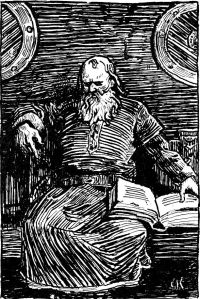
Bragi, the Norse god of poetry and eloquence, embodies the sacred union of art and myth, serving as both a cultural custodian and a symbol of linguistic excellence. In Norse tradition, he is depicted as Odin’s son, gifted a magical harp by dwarves and tasked with composing hymns to honor the gods and heroes of Valhalla, as noted by H. A. Guerber and Snorri Sturluson.
Authors like Annie Keary and Charlotte M. Yonge emphasize his associations with spring, feasts, and the ritualistic Bragarfull cup, while Sæmundur fróði’s Eddas showcase his sharpness in dialogues with Loki. These diverse portrayals collectively frame Bragi as a bridge between divine order and human creativity, his influence continuing through the poetic traditions he inspired.