Capetian dynasty

Definition and stakes

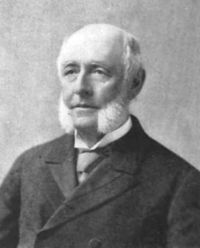
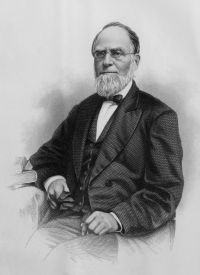
Portrait of John S. C. Abbott John S. C. Abbott,  The French Revolution of 1789, as Viewed in the Light of Republican Institutions

“ He was called, from his indolence and imbecility, the Idler. As he sank into an inglorious grave, an energetic and powerful noble, Hugh Capet, Duke of the Isle of France, with vigorous arm thrust the hereditary claimant into a prison and ascended the throne. Thus was established the third dynasty, called the Capetian.
For two hundred and fifty years under the Capets, France could hardly be called a kingdom. Though the name of king remained, the kingly authority was extinct.
”
Source: Gutenberg

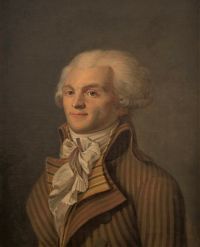
Portrait of Maximilien Robespierre Maximilien Robespierre,  Speeches of Maximilien Robespierre (1927)

“ Question the members of the Capetian dynasty, and they will tell you that the most sacred property is the right of inheritance, that they have the ancient right of oppressing the twenty-five million persons now populating the territory of France, of destroying them, of treating them—legally and monarchically—according to their own royal whim. ”
Source: Wikisource

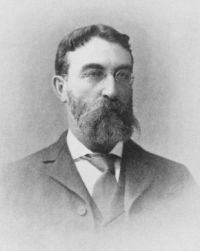
Hutton Webster,  Early European History

“ The Capetian dynasty was long lived, and for more than three centuries son followed father on the throne without a break in the succession. [20] During this time the French sovereigns worked steadily to exalt the royal power and to unite the feudal states of medieval France into a real nation under a common government. Their success in this task made them, at the close of the Middle Ages, the strongest monarchs in Europe.
FRANCE AND ITS FIEFS Hugh Capet's duchy—the original France—included only a small stretch of inland country centering about Paris on the Seine and Orléans on the Loire.
”
Source: Gutenberg

Get perspective with Kwize: daily news enlightened by great literature