The Catalpa, a vessel central to Zephaniah Walter Pease’s The Catalpa Expedition, symbolizes both the boldness of escape and the ethical dilemmas of maritime law. Pease’s narrative portrays the ship as a courageous sanctuary for runaways, maneuvering through legal and physical obstacles, such as avoiding enforcers and using wind to slip from grasp.
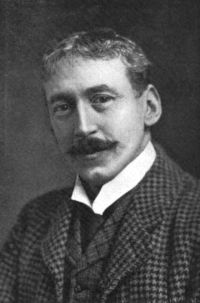
While Pease’s account highlights the Catalpa’s role in a high-stakes rescue, other authors like John Maurice Miller and Laurence Housman might have examined the theme from different perspectives, illustrating wider literary reflections on maritime freedom and human endurance. The Catalpa’s legacy, therefore, resides in its representation of resistance and the delicate equilibrium between law and liberty.