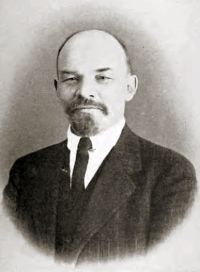
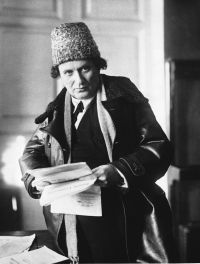
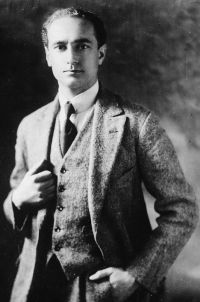
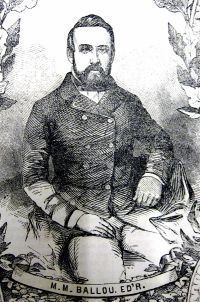
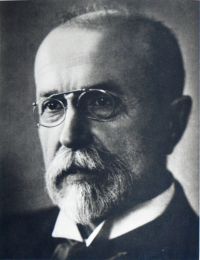
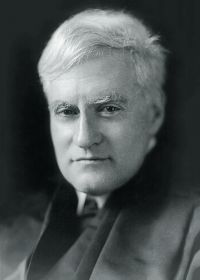
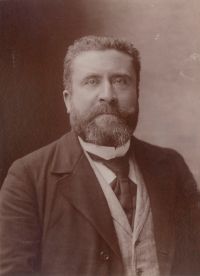
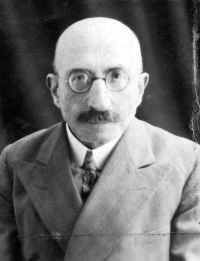
Communism, as a political and economic ideology, promotes a classless society through the elimination of private property and the creation of shared ownership. This concept has been examined by many thinkers, from Karl Marx and Friedrich Engels, who viewed it as a revolutionary challenge to bourgeois rule, to Elizabeth Gurley Flynn, who focused on its grassroots commitment to ending exploitation.
Bertrand Russell emphasized its function in taking control of the state during periods of unrest, while Lenin underscored the importance of firm ideological conviction. These viewpoints together highlight communism’s dual nature as both an intellectual system and a driving force in labor movements, shaping its lasting impact on world politics.
 Karl Marx,
Manifesto of the Communist Party
(1910)
Karl Marx,
Manifesto of the Communist Party
(1910)