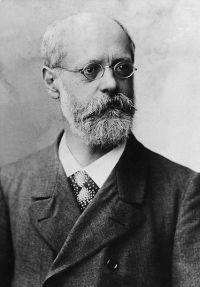
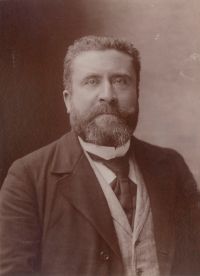
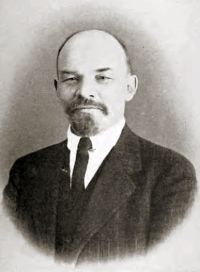
The concept of the proletarian refers to a class without property, whose labor is turned into a commodity within capitalist systems, and is central to Marxist theory as the force driving revolutionary change. Authors such as Friedrich Engels stressed the proletariat’s role as a self-aware agent of societal transformation, pointing to its ability to challenge established hierarchies.
Austin Lewis underscored the class’s essential function in revolution, while Karl Kautsky recognized the difficulties inherent in proletarian movements. Abner E. Woodruff imagined the proletariat’s quest for industrial democracy as a route to universal well-being. These viewpoints, although differing, collectively portray the proletariat as both a result of capitalist oppression and a force for rethinking social systems, highlighting its dual function in critique and in building new structures.