Crown of the United Kingdom

Definition and stakes

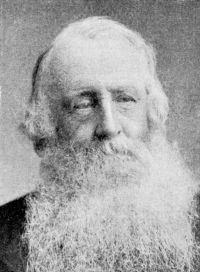
Portrait of A. V. Dicey A. V. Dicey England's Case Against Home Rule

The Parliament of the United Kingdom, just because it is a sovereign body, though it cannot remain a sovereign and place a legal limit on its own powers, can, like any other sovereign, e.g. the Czar of Russia, abdicate its sovereignty in reference to the whole, or it may be to part of the Crown's dominions; and the Parliament of the United Kingdom can, just because it is a sovereign body, do what is at bottom the same thing as abdicate, namely, merge its own powers in those of another sovereign body, or, in other words, form, or aid in forming, a new sovereign for the British Empire.
Source: Gutenberg

Bernard Holland The Empire and the century — The Crown and the Empire (1905)

In this Empire all power and law proceed in form from the occupant of the throne. It is the English way, as it was the Roman, and as it is that of Nature, to preserve carefully the form of things while the contents change. All legislation in the United Kingdom proceeds in form from the King, and Parliament assents. Monarchy, however much tempered by aristocracy and democracy, is, as it always has been, the essential form of English Government. As Empire has grown, this source of legislation and power has irrigated an increasing and now vast area.
Source: Wikisource

Bernard Holland The Empire and the century — The Crown and the Empire (1905)

Supreme control, in the last resort, rests with the King's Government in London, so that the electorate of the United Kingdom determine by their choice the group of men who not only conduct the internal affairs of that kingdom and manage its forces, but exercise ultimate power over the autocratically ruled part of the Empire.
Source: Wikisource

Get perspective with Kwize: daily news enlightened by great literature