David II of Scotland

Definition and stakes

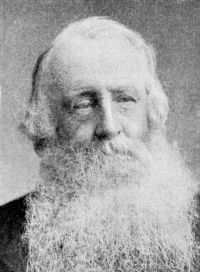
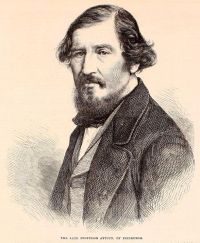
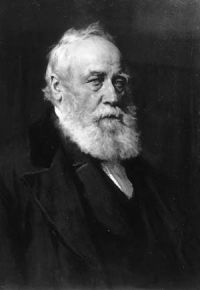
Portrait of Herbert Maxwell Herbert Maxwell,  Robert the Bruce and the struggle for Scottish independence (1909)

“ As soon as David succeeded his brother Alexander on the throne of Scotland proper, he set on foot similar reforms there also. The ancient constitution of the Seven Earls was superseded, as the tenour of David's charters proves, to make place for a feudal scheme of "bishops, abbots, earls, sheriffs, barons, governors, and officers, and all the good men of the whole land, Norman, English, and Scots." He still did fealty to Henry for his territory in Lothian, but north of the Firths David was absolute monarch of all except Caithness and the Isles. ”
Source: Wikisource

Portrait of W. F. Skene W. F. Skene,  Celtic Scotland (1886)

“ Their feudal holdings in Scotland gave David a right as their overlord to their military service, while their policy in England was to support Stephen in his opposition to the claim of his niece Matilda to the English throne. One of the principal of these Norman barons, Robertus de Brus, who had great possessions in Yorkshire, but had adhered to King David from his youth, and held under him the extensive district of Annandale, repaired to the Scottish camp when David had advanced as far as the Tees, to remonstrate with him, and when he did not succeed, renounced his fealty to him. ”
Source: Gutenberg

Robert S. Rait,  The Scottish Parliament Before the Union of the Crowns

“ The nobles were divided by feuds. Nobody was strong enough to make himself supreme. The country was governed by a committee of the nobles. Still, the reign of David II made two contributions to such constitutional theory as Scotland possessed. One of these is an emphatic reiteration of what had been done in the preceding reign. After his return from England, David, in pursuance of a private agreement with Edward III, attempted to persuade the Estates to acknowledge Prince Lionel of England as his heir. ”
Source: Gutenberg

Get perspective with Kwize: daily news enlightened by great literature