Dervish movement

Definition and stakes

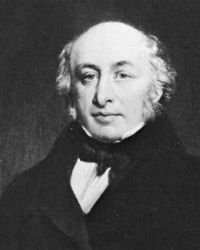
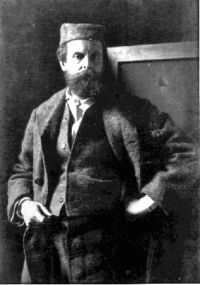
Portrait of Wilfrid Scawen Blunt Wilfrid Scawen Blunt,  Secret History of the English Occupation of Egypt

“ When Dervish summoned the Ulema to consult about the best measures to be taken for an honourable peace, two of the Ulema only took the Khedive's part. All the rest pleaded the National cause. Dervish was vexed and dissolved the Assembly, decorating the two dissenting Sheykhs, Bahrawi and Abyari. When the result was published in the papers it created a revolutionary movement in the Azhar. ”
Source: Gutenberg

Sadik Shahid Bey,  Islam, Turkey, and Armenia, and How They Happened (1898)

“ Dervishes belong to a religious class or order professing self-denial and abstinence from worldly connections and luxuries, and spending their time in worship and religious meditation. Candidates of this order must prove themselves worthy by serving several months or years the Sheikh or the elder of the brotherhood, and by practicing at the same time the strict ordinances of the society. Dervish or Fakir means poor, and they glory in calling themselves "poor for the sake of the Truth (God) ." But all dervishes are not poor. Some of them are really poor and destitute ”
Source: Wikisource

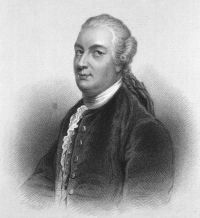
Portrait of James Bruce James Bruce,  Travels to Discover the Source of the Nile…

“ They lay down their nobility, and become humble and poor, so as often to be insulted by wicked and low men, not having the fear of God before their eyes."—"True, these are Dervish," said the other three men. "I am then one of these Dervish, said I, content with the bread that is given me, and bound for some years to travel in hardships and danger, doing all the good I can to poor and rich, serving every man, and hurting none." "Tybe! that is well," says the king. ”
Source: Gutenberg

Get perspective with Kwize: daily news enlightened by great literature