Dinka people

Definition and stakes

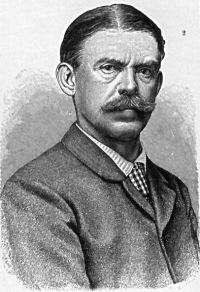
Portrait of James George Frazer James George Frazer,  The Golden Bough (1922)

“ Some points in this explanation of the custom of putting divine kings to death, particularly the method of transmitting their divine souls to their successors, will be dealt with more fully in the sequel. Meantime we pass to other examples of the general practice.
The Dinka are a congeries of independent tribes in the valley of the White Nile. They are essentially a pastoral people, passionately devoted to the care of their numerous herds of oxen, though they also keep sheep and goats, and the women cultivate small quantities of millet and sesame.
”
Source: Wikisource

Various,  The American Missionary — Volume 35…

“ On the west bank of the Nile, north of the Sobat, is a branch of the great Dinka tribe. These people have fared even worse than the Shillooks at the hands of the slavers, and have almost abandoned the banks of the streams. They will probably return with the decline of slave-hunting, if indeed they are not already occupying again their old lands. These are docile and intelligent negroes, and are favorite slaves. The black regiments of the Soudan were mostly recruited from the Dinkas. Like the Shillooks, the Dinkas are pure heathen and great cattle-breeders. ”
Source: Gutenberg

The Anglo-Egyptian Sudan: a compendium prepared by officers of the Sudan government…

“ The Dinkas are very inexpert smiths, and so generally have their lances made by the Jurs and Aliab of the west bank in exchange for sheep or goats.
In addition to their bows and spears they usually carry an ebony club.
Ornaments.Iron bracelets (Lung Kok) are made locally. These are about the only things a Dinka smith can make. A Dinka receives his bracelets on coming of age and is then not allowed to part with them.
Ivory bracelets (Gong) are only occasionally seen, as these people are not great hunters, though elephants are very numerous in their country.
”
Source: Gutenberg

Get perspective with Kwize: daily news enlightened by great literature