Earl of Lennox

Definition and stakes

James Grant Mary of Lorraine (1865)

His dark eyes had ever a malicious twinkle, and a villanous expression was impressed on his whole face by a wound received at the battle of Linlithgow, where the sword of the bastard of Arran—the same ignoble steel that slew the good and gentle Earl of Lennox—had laid his left cheek open, at the same moment completely demolishing the bridge of his nose, which had never at any time been very handsome. His attire consisted of a dirty and greasy doublet, formed of what had once been peach-coloured velvet, discoloured in several places by perspiration, slops of wine, and the rust of his armour.
Source: Gutenberg

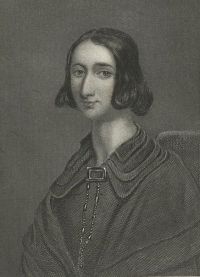
Portrait of Grace Aguilar Grace Aguilar The Days of Bruce: A Story from Scottish History…

Mutual was the tale of suffering each had to relate, few and faint the hopes and prospects to communicate, but so many were the friends the patriots had lost, that the reappearance of the venerable nobleman infused a new and brighter spirit amid the almost despairing men.
That the Earl of Lennox had found a kind and hospitable home in the dominions of the Lord of the Isles, and received welcome and favor from the chieftain himself, was justly a subject of rejoicing to the fugitive king.
Source: Gutenberg

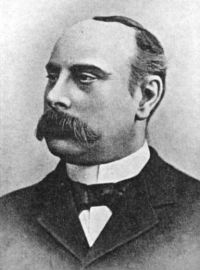
Portrait of Martin A. S. Hume Martin A. S. Hume The Wives of Henry the Eighth and the Parts They Played in History

In a letter written to him on the 9th August, referring to the success of the Earl of Lennox, who had just married Henry’s niece, Margaret Douglas, and had gone to Scotland to seize the government in English interest, Katharine says: “The good speed which Lennox has had, is to be imputed to his serving a master whom God aids. He might have served the French king, his old master, many years without attaining such a victory.”
Source: Gutenberg

Get perspective with Kwize: daily news enlightened by great literature