House of Tudor

Definition and stakes

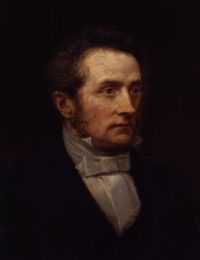
George Bellett The Antiquities of Bridgnorth; With Some Historical Notices of the Town and Castle

The insurrection succeeded, though Buckingham himself perished in the enterprise; and the Earl of Richmond, became Henry VII, king of England. On so accidental a circumstance depended the accession of the house of Tudor to the English throne, and the consequences, which followed it, so important to the interests of this great empire.
It was during the sovereignty of the house of Tudor that one of the most important events in the history of our country took place, viz., the Reformation, commencing in the reign of Henry VIII., and being completed in that of Elizabeth.
Source: Gutenberg

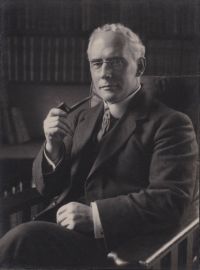
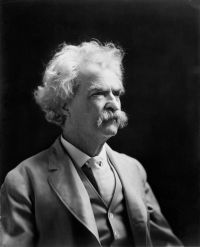
Portrait of Jerome K. Jerome Jerome K. Jerome They and I

By the time we have done with it—for all practical purposes—it will be a Tudor manor-house. I have always wanted an old Tudor manor-house. There is no reason, so far as I can see, why there should not be stories connected with this house. Why should not we have a room in which Somebody once slept? We won’t have Queen Elizabeth. I’m tired of Queen Elizabeth. Besides, I don’t believe she’d have been nice. Why not Queen Anne? A quiet, gentle old lady, from all accounts, who would not have given trouble. Or, better still, Shakespeare. He was constantly to and fro between London and Stratford.
Source: Gutenberg

Portrait of Jerome K. Jerome Jerome K. Jerome They and I

The Tudor house, he argued, was a fit and proper residence for the Tudor citizen—for the man whose wife rode behind him on a pack-saddle, who conducted his correspondence by the help of a moss-trooper. The Tudor fireplace was designed for folks to whom coal was unknown, and who left their smoking to their chimneys. A house that looked ridiculous with a motor-car before the door, where the electric bell jarred upon one’s sense of fitness every time one heard it, was out of date, he maintained.
Source: Gutenberg

Get perspective with Kwize: daily news enlightened by great literature