Earl of Lincoln

Definition and stakes

Mary Shelley The Fortunes of Perkin Warbeck (1857)

The earl of Lincoln, declared by Richard the Third, heir to the crown, did not join the royal forces, nor appear at the battle of Bosworth. This distinguished prince was a man of singular abilities and strength of mind, which chivalrous generosity adorned with a lustre superior even to that which he derived from his high rank. Lord Lovel was possessed of knightly courage, untarnished honour, and gentlemanly accomplishment. To these military and graceful qualities Lincoln added the wisdom of a statesman and the moral energy resulting from inflexible principle.
Source: Wikisource

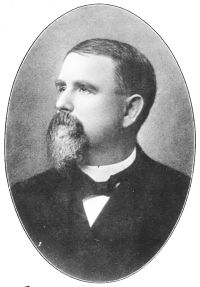
Portrait of Thomas D'Arcy McGee Thomas D'Arcy McGee A Popular History of Ireland : from the Earliest Period to the Emancipation of the Catholics…

The only surviving Yorkists who could put forward pretensions to the throne were the Earl of Lincoln, Richard's declared heir, and the young Earl of Warwick, son of that Duke of Clarence who was born in Dublin Castle in 1449. Lincoln, with Lord Lovell and others of his friends, was in exile at the court of the dowager Duchess of Burgundy, sister to Edward IV.
Source: Gutenberg

Charles Lethbridge Kingsford Dictionary of National Biography… (1892)

An anonymous letter of this time, while stating that Lincoln had remonstrated with Edward II, alleges that there was in reality a secret understanding between the king and earl (Cal. Docts. Scotl. iii. 177) . Edward appointed Lincoln to be guardian of the kingdom when he went to Scotland in September 1310. Lincoln spent the Christmas at Kingston in Dorset (ib. iii. 197) , and soon afterwards returned to London, where he died at his house in Holborn on 5 Feb.
Source: Wikisource

Get perspective with Kwize: daily news enlightened by great literature