Eastern Oregon

Definition and stakes

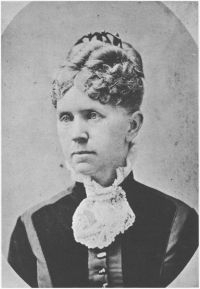
Portrait of Frances Fuller Victor Frances Fuller Victor,  All Over Oregon and Washington (1872)

“ A country that has the Rocky Mountains for its eastern wall, the Pacific Sea for its western barrier; whose interior mountains are teeming with treasure; whose soil is seldom hardened by frost; down whose coasts sail no icebergs; whose wharves front those of China and Japan, and whose people are full of the intellectuality of the nineteenth century, will not pause nor hesitate on the road to wealth, learning, literature, or art. Already Oregon has furnished the world a poet, whose mountain minstrelsy echoes from foreign shores. ”
Source: Wikisource

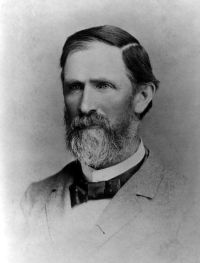
Overton Johnson and William H. Winter,  Oregon Historical Quarterly (1906)

“ The remaining portion of the Territory of Oregon—the Eastern portion—we have sufficiently noticed in passing through it. Very much the largest portion of Eastern Oregon is at present and must continue for a great number of years to be comparatively valueless. It is a desert, so rugged, so dreary, and so exceedingly sterile that it cannot, until ages have melted its mountains, until the winds and floods and changes of thousands and thousands of years shall have crumbled into dust its rocks and its sands, yield anything worthy of consideration to the support of human life. ”
Source: Wikisource

Writers' program. Oregon,  Oregon - End of the Trail ([c1940])

“ The mountain range stood as a colossal veto of whatever motions the early eastern Oregon settlers might have made toward economic equality with the pioneers of the lush country west of the Cascades. It turned them, out of sheer necessity, into cattlemen and sheepmen and miners and "dry" farmers, just as more benign circumstances made western Oregon residents into lumbermen, dairymen, fishermen and farmers, and—in the more populous centers—into artisans and politi
cians and financiers.
”
Source: Wikisource

Get perspective with Kwize: daily news enlightened by great literature