Emancipation of the Serfs

Definition and stakes

Louis S. Friedland The Russian Review (1916)

The abolition of serfdom meant the emancipation of an enslaved people. Liberate the serfs, re-establish a free people under the old, simple form of Russian communal life,—and the problems of the country will be settled for all time. And so the watchword of the literature of the 30's and 40's became, Abolition, the People, Simplification,—words that threatened the end of the land-owning nobility,—the master-class.
Source: Wikisource

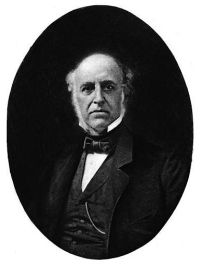
Portrait of John Stuart Mill John Stuart Mill Considerations on Representative Government (1861)

In this manner a central power, despotic in principle, though generally much restricted in practice, was mainly instrumental in carrying the people through a necessary stage of improvement, which representative government, if real, would most likely have prevented them from entering upon. There are parts of Europe where the same work is still to be done, and no prospect of its being done by any other means. Nothing short of despotic rule or a general massacre could effect the emancipation of the serfs in the Russian Empire.
Source: Gutenberg

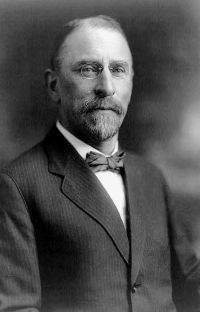
Portrait of Andrew Dickson White Andrew Dickson White Autobiography of Andrew Dickson White…

A change had indeed been brought by the emancipation of the serfs, but there was little outward sign of it. The muzhik remained, to all appearance, what he was before: in fact, as our train drew into St. Petersburg, the peasants, with their sheepskin caftans, cropped hair, and stupid faces, brought back the old impressions so vividly that I seemed not to have been absent a week. The old atmosphere of repression was evident everywhere.
Source: Gutenberg

Get perspective with Kwize: daily news enlightened by great literature