Serfdom, a state of debt bondage and indentured servitude under feudalism, bound peasants to manorial land, requiring them to work for lords in return for protection and sustenance. Unlike slavery, serfs could not be sold individually but were attached to the land, with their rights constrained by legal and economic factors.
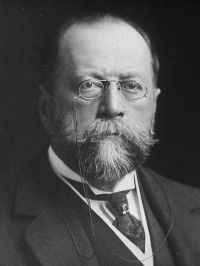
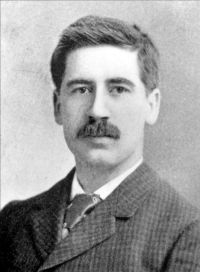
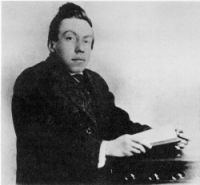
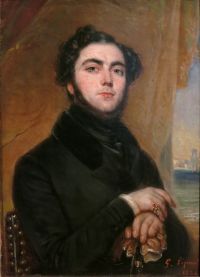
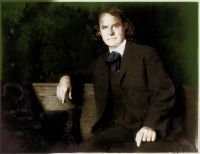
Thinkers such as John Ruskin criticized its mental subjugation, while Paul Vinogradoff examined its coercive property systems and the eventual 19th-century liberation prompted by economic and humanitarian changes. Frederic Seebohm outlined its layered social hierarchy, and Edward Cheyney observed its diminishing practical significance in England by the 15th century. Combining these viewpoints, serfdom appears as a multifaceted, developing institution that influenced medieval societies until its end through reform and modernization.
 John Ruskin,
On the Old Road Vol. 1 (of 2…
John Ruskin,
On the Old Road Vol. 1 (of 2…