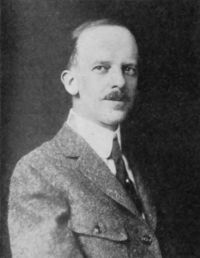
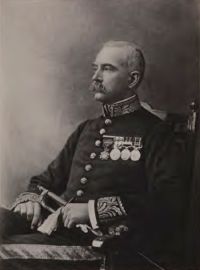
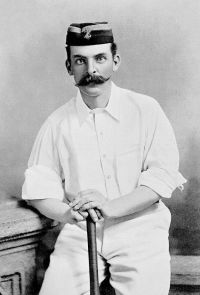
Handcuffs, commonly linked to law enforcement and restriction, function as powerful symbols in literature, representing themes of control, vulnerability, and creativity. From Irvin S. Cobb’s tense portrayal of open-jawed cuffs “biting” a character’s wrist to Albert A. Hopkins’ account of their use in stage magic, writers have examined both their practical and symbolic significance. Frank L.
Packard highlights their unexpected presence in a romantic setting, while Robert Welles Ritchie uses them in a Western story about freedom. Achmed Abdullah imbues them with symbolic meaning, connecting them to the limitations of love, and Alfred Ayres surprisingly presents them as fashion items. These diverse portrayals demonstrate handcuffs as versatile instruments—both actual and metaphorical—mirroring humanity’s ongoing tension between power and liberty.
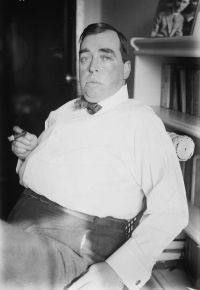 Irvin S. Cobb,
My Story That I Like Best
Irvin S. Cobb,
My Story That I Like Best