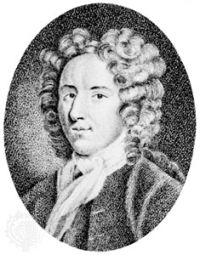
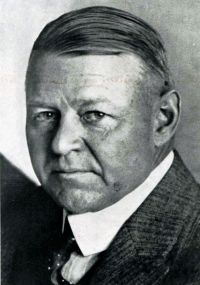
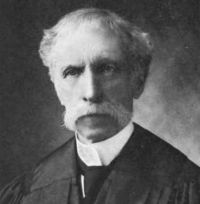
The term "serjeant" refers to a non-commissioned officer rank within military hierarchies, historically indicating both a professional soldier and a tactical leader. Authors such as Henry St. John Cooper idealized the serjeant as a heroic figure, while William Duane’s A Military Dictionary examined their administrative and drill duties.
Robert Butler’s narrative illustrated the role’s more somber aspects, and George Farquhar’s drama emphasized their power in upholding order. From 16th-century expert soldiers to contemporary ranks, the serjeant’s development mirrors changing military structures, as outlined in the Encyclopædia Britannica. This theme highlights the dual legacy of the serjeant as both a disciplined enforcer and an emblem of military tradition.