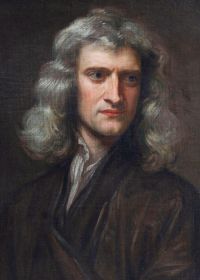
Emperor Justinian I

Definition and stakes

William Jackson Brodribb and Walter Besant,  ConstantinopleA Sketch of its History from its Foundation to its Conquest by the Turks in 1453… (1879)

“ Justinian died at the advanced age of eighty-three. He was not a great emperor, but he had the sagacity to select the best officers. He was a prodigy of industry; in an age of curiously active intellectual energy, he was philosopher, poet, musician, architect, lawyer, and theologian.
It was in all a most remarkable and illustrious reign—one in which many great questions seemed settled decisively, though none were. Vandals, Goths, Persians, Bulgarians, all were driven back before the "Roman" arms, and nature herself added phenomena to mark the epoch.
”
Source: Wikisource

Alfred Brittain,  Women of Early Christianity

“ By his vices, his harshness, and his corruption he justified the proverb:
"The Cappadocian is bad by nature; if he attains to power he is worse; but if he seeks to be supreme, he is the most detestable of all." But in the eyes of Justinian he had one redeeming virtue: he furnished to every request of the prince the funds which the vast expenditures of his reign demanded. At the price of what exactions, of what sufferings of his subjects, he obtained these admirable results, the emperor did not inquire, or perhaps he ignored these considerations.
”
Source: Gutenberg

Procopius,  Of the Buildings of Justinian

“ The above are, described as briefly as possible, the works of the Emperor Justinian in the imperial city. I will now describe the only thing which remains. Since the Emperor dwells here, a multitude of men of all nations comes into the city from all the world, in consequence of the vast extent of the empire, each one of them led thither either by business, by hope, or by chance, many of whom, whose affairs at home have fallen into disorder, come with the intention of offering some petition to the Emperor. ”
Source: Gutenberg

Get perspective with Kwize: daily news enlightened by great literature