Epistle of James

Definition and stakes

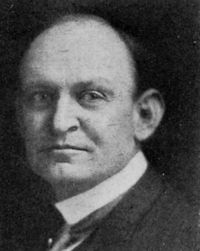
Portrait of A. T. Robertson A. T. Robertson Studies in the Epistle of James

James, though very Jewish in background, is thoroughly Christian. The heart of Christianity, the worship of Jesus as Lord and Saviour, is here, though chronologically the Epistle of James precedes the teaching of Paul and John in their writings. It is like the child and the man (Plummer) , not a retrograde movement. It is the outlook of Jerusalem, not that of Antioch. What James is discussing is not the personal religion of Jesus but the reader’s faith in Jesus.
The third disputed point in the verse is the word “glory.”
Source: Gutenberg

Portrait of A. T. Robertson A. T. Robertson Studies in the Epistle of James

James seems to know this saying, as he lays emphasis on the spirit and motive in holy living.
91 VII
The Appeal to Life
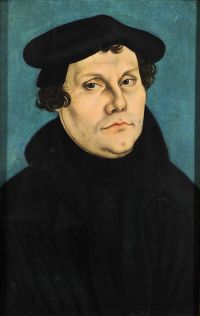
We now come to the famous passage that is supposed by some scholars to be an attack on Paul’s doctrine of salvation by faith instead of works. James is interpreted by many to be a champion of works as against Paul’s theory of grace. It is an old controversy and is the occasion of Martin Luther’s slighting allusion to the Epistle of James as “a veritable epistle of straw.” He thought it contradicted the Epistle of Galatians, which he loved dearly as his “wife.”
Source: Gutenberg

George T. Ashley From Bondage to Liberty in Religion…

The Epistle of James is admitted to be doubtful; and especially as to which of several men of this name might have written it. It is admitted that it could not have been written by the Apostle James, as he was put to death at Jerusalem long before the epistle was known. As has already been seen, it was rejected by many of the Fathers; and even Martin Luther dubbed it "an epistle of straw."
Source: Gutenberg

Get perspective with Kwize: daily news enlightened by great literature