Epistle to the Colossians

Definition and stakes

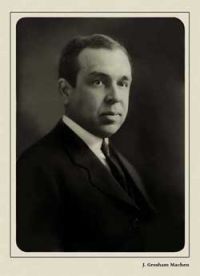
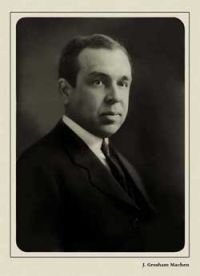
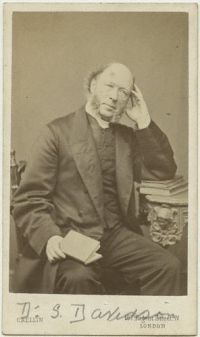
Portrait of John Gresham Machen John Gresham Machen,  A Brief Bible History (1922)

“ The church at Colossæ, to which the Epistle to the Colossians is addressed, had been founded not by Paul but by one of his helpers, Epaphras. A certain type of false teaching had been brought into the church by those who laid stress upon angels in a way that was harmful to the exclusive position of Christ. In reply, Paul sets forth in the Epistle the majesty of Jesus, who existed from all eternity and was the instrument of God the Father in the creation of the world. ”
Source: Wikisource

W. S. W. Vaux,  Ancient history from the monuments…

“ Like the people of the adjacent Laodicea, the Colossians were great growers of wool. It was nearly destroyed in the days of Nero, but it survived, at all events, as the name of a Christian bishopric, till the time of Hierocles’s Synecdemus. Somewhat later, a new town named Chonas was built there, the certain identification of its ruins being mainly due to the fact that Nicetas the Annalist was born there. St. Paul, as we know, wrote an epistle to the Colossians, but his words, “Since we heard of your faith in Christ Jesus,” seem to imply that he was never there himself. ”
Source: Gutenberg

Various,  Encyclopaedia Britannica, 11th Edition…

“ But these cases, when properly understood and calmly viewed, do not carry conviction against the epistle. (4) The relation of Ephesians to Colossians would be a serious difficulty only if Colossians were held to be not by Paul. Those who hold to the genuineness of Colossians find it easier to explain the resemblances as the product of the free working of the same mind, than as due to a deliberate imitator. ”
Source: Gutenberg

Get perspective with Kwize: daily news enlightened by great literature