Epistle to the Romans

Definition and stakes

George William Cox,  Dictionary of National Biography… (1887)

“ Paul's Epistle to the Romans,' a work which, according to Bishop Gray of Capetown, bristled from beginning to end with heresies. There can be no question that it struck at the roots of what is commonly called the sacramental system. The Epistle to the Romans, in his opinion, dealt the death-blow to all notions of covenant and privilege. It asserted that the benefits received from and through Christ were received for all the world, and that the divine work was a work for the extinction of sin, not merely for its punishment. ”
Source: Wikisource

Charles Gore,  St. Paul's Epistle to the Romans…

“ The Epistle to the Romans follows the First Epistle to the Corinthians by not more than a year, and it finds Prisca and Aquila established at Rome, with a church meeting at their house. Probably they had been St. Paul's informants as to affairs among the Roman Christians. A good many years afterwards, when St. Paul was writing his Second Epistle to Timothy [4] , we hear of them again at Ephesus. So much travelling as we find in their life was not unusual in the Roman empire, and perhaps least of all among the Jews. ”
Source: Gutenberg

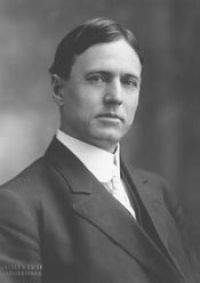
Portrait of William Henry Giles Kingston William Henry Giles Kingston,  Jovinian: A Story of the Early Days of Papal Rome

“ Although the emperor professes to be a Christian, all his acts show that the mists of heathen darkness have not been dispelled from his mind, and that the encouragement he affords nominally to the Christians is fraught with the greatest danger to the true Church of Christ. Here in Rome, especially, I apprehend the worst. As you well know, the Romans are more wedded to idolatry than the inhabitants of any other city in the Empire. ”
Source: Gutenberg

Get perspective with Kwize: daily news enlightened by great literature