Suidas

Definition and stakes

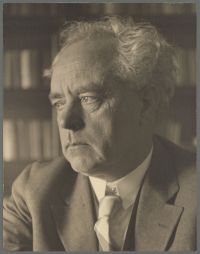
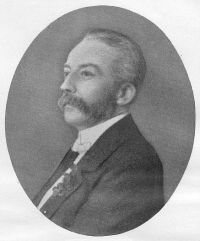
Portrait of Richard Claverhouse Jebb Richard Claverhouse Jebb,  Essays and Addresses (1907)

“ For the sake of illustration, I may suggest a form of Greek words, as close as possible to those used by Suidas, yet which would express that meaning with rather less ambiguity:—δράματος ἤδη πρὸς δρᾶμα ὁ ἀγὼν ἐγίγνετο, ἀλλ' οὐχὶ τετραλογίας—the contest (i.e. the tussle for the prize) now came to be one of play against play, not of tetralogy against tetralogy. Meeting with such a statement, Suidas might easily have taken ὁ ἀγών to mean, not the issue between the competitors, but the dramatic exhibition. ”
Source: Wikisource

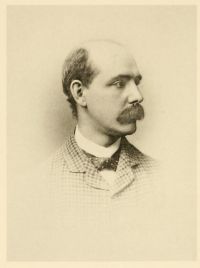
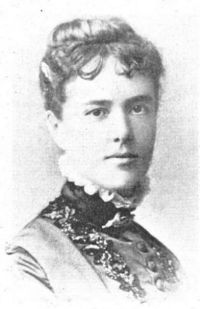
Portrait of Mary Mills Patrick Mary Mills Patrick,  Sextus Empiricus and Greek Scepticism

“ This conclusion is, however, entirely unfounded, as the explanation of Sextus simply shows that the people whom he was then addressing were not familiar with the nations of Libya. Suidas speaks of two men called Sextus, one from Chæronea and one from Libya, both of whom he calls Sceptics, and to one of whom he attributes Sextus' books. All authorities agree in asserting that great confusion exists in the works of Suidas; and Fabricius, Zeller, and Pappenheim place no weight upon this testimony of Suidas. ”
Source: Gutenberg

1911 Encyclopædia Britannica, Volume 13… (1911)

“ A Biographical Dictionary (Ὀνοματολόγος or Πίναξ) of Learned Men, arranged according to classes (poets, philosophers) , the chief sources of which were the Μουσικὴ ἱστορία of Aelius Dionysius and the works of Herennius Philo. Much of it has been incorporated in the lexicon of Suidas, as we learn from that author. It is disputed, however, whether the words in Suidas (“of which this book is an epitome”) mean that Suidas himself epitomized the work of Hesychius, or whether they are part of the title of an already epitomized Hesychius used by Suidas. The second view is more generally held. ”
Source: Wikisource

Get perspective with Kwize: daily news enlightened by great literature