Sextus Empiricus

Definition and stakes

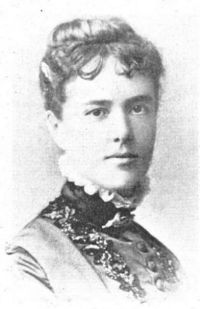
Portrait of Mary Mills Patrick Mary Mills Patrick,  Sextus Empiricus and Greek Scepticism

“ Of the different writers on Sextus Empiricus, those who have treated this part of the subject most critically are Haas and Pappenheim. We will therefore consider, somewhat at length, the results presented by these two authors. Haas thinks that the Hypotyposes were delivered in Rome for the following reasons. Sextus' lectures must have been given in some centre of philosophical schools and of learning. He never opposes Roman relations to those of the place where he is speaking, as he does in regard to Athens and Alexandria. ”
Source: Gutenberg

Samuel Butler,  Hudibras, in Three Parts, Written in the Time of the Late Wars

“ This sect made their chiefest good to consist in a sedateness of mind, exempt from all passions; in regulating their opinions, and moderating their passions, which they called Ataxia and Metriopathia; and in suspending their judgment in regard of good and evil, truth or falsehood, which they called Epechi. Sextus Empiricus, who lived in the second century, under the Emperor Antoninus Pius, writ ten books against the mathematicians or astrologers, and three of the Phyrrhonian opinion. ”
Source: Gutenberg

Get perspective with Kwize: daily news enlightened by great literature