Epistles of Paul

Definition and stakes

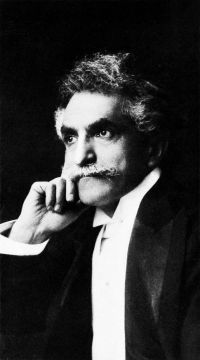
Portrait of Arthur Drews Arthur Drews The Witnesses to the Historicity of Jesus… (1912)

Certainly, it would be simplest to say at once that the Epistles of Paul are spurious, and thus destroy the value of their testimony to the existence of an historical Jesus. This the theologians would assuredly like us to do, because, as things are in Germany, the genuineness of at least the four chief Epistles (Romans, Galatians, and the two to the Corinthians) is so firmly held by them that any doubt about it is at once rejected by them as “not to be taken seriously.”
Source: Wikisource

Henry W. Bellows Christianity and Modern Thought

We find miracles recognized, not merely in records the genuineness of which has, with or without reason, been suspected. In Epistles of Paul, the genuineness of which no critic of repute has ever dreamed of assailing, the miraculous element is recognized as distinctly as in the Gospels. We have at least the testimony of Paul—one of the grandest souls that ever lived, a man whom we know and honor as we know and honor few—that he believed himself to have wrought miracles, and that he believed the other apostles had done and were in the habit of doing the same.
Source: Gutenberg

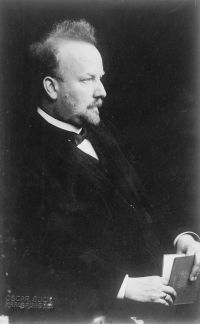
Portrait of Isaac Taylor Isaac Taylor History of the transmission of ancient books to modern times (1859)

In the Epistles to the Galatians and the Corinthians, we find proof that Paul was not the man to spare the faults or errors of those to whom he wrote; and each of his letters affords some evidence as well of his quick-sightedness, as of his sincerity. Men will more easily bear to be charged with vices, or with evil tempers, than to be reproached for dulness of apprehension: but in an Epistle addressed, as it seems, to the better-informed class of his own nation, he does not hesitate to blame their inaptitude and non-proficiency.
Source: Gutenberg

Get perspective with Kwize: daily news enlightened by great literature