Faneuil Hall

Definition and stakes

Harold Donaldson Eberlein The Architecture of Colonial America

Faneuil Hall, hard by, also worthily upholds the Georgian traditions of the mid-eighteenth century in its storeyed façades, its gracefully proportioned and detailed cupola and the excellence of its interior cornices, pillars and carved capitals. This “cradle of American liberty” is a truly noble building and a worthy setting{191} for the stirring historic episodes that have been enacted beneath its roof or under the shadow of its walls.
Source: Gutenberg

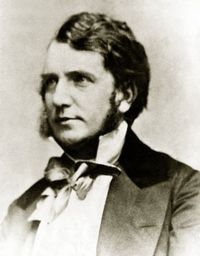
Portrait of Nathaniel Parker Willis Nathaniel Parker Willis American Scenery, Vol. 2 (of 2…

Two noble streets, and a market, perhaps the finest in the world, have been projected in front of the old Faneuil Hall, which stood a very few years ago close to the water’s edge. The new land was made, and the plan carried into effect during the mayoralty of Josiah Quincy, Esq., to whose enterprise and sagacity the city is indebted for these great improvements.
Faneuil Hall, which in the view from the water stands in the rear of these fine structures of granite, is the dearest spot connected with American freedom. It was used as a town-hall in the time of the Revolution
Source: Gutenberg

Lucius M. Sargent Dealings with the Dead, Volume 2…

Faneuil meditated other benefactions to the town—that his death was sudden—that votes of thanks had been passed, for his donation of the Hall, “a few months before”—that the meeting, at which the oration was pronounced, March 14, 1742, was the very first annual meeting, in Faneuil Hall—that Peter Faneuil was the owner of “a large and plentiful estate”—that “no man managed his affairs with greater prudence and industry”—that “he fed the hungry and clothed the naked
Source: Gutenberg

Get perspective with Kwize: daily news enlightened by great literature