French West Indies

Definition and stakes

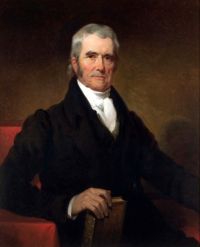
Clarence Henry Haring,  The Buccaneers in the West Indies in the XVII Century

“ With the seventeenth century began a new era in the history of the West Indies. If in the sixteenth the {46} English, French and Dutch came to tropical America as piratical intruders into seas and countries which belonged to others, in the following century they came as permanent colonisers and settlers. The Spaniards, who had explored the whole ring of the West Indian islands before 1500, from the beginning neglected the lesser for the larger Antilles—Cuba, Hispaniola, Porto Rico and Jamaica—and for those islands like Trinidad, which lie close to the mainland. ”
Source: Gutenberg

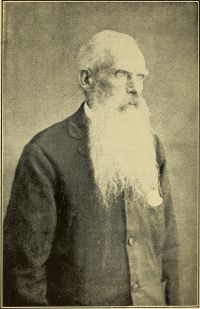
Portrait of James Anthony Froude James Anthony Froude,  The English in the West Indies…

“ French influence is in no danger of dying out in Martinique and Guadaloupe. [Pg 108] The Spanish race is not dying in Cuba and Puerto Rico. England will soon be no more than a name in Barbadoes and the Antilles. Having acquitted our conscience by emancipation, we have left our West Indian interest to sink or swim. Our principle has been to leave each part of our empire (except the East Indies) to take care of itself: we give the various inhabitants liberty, and what we understand by fair play ”
Source: Gutenberg

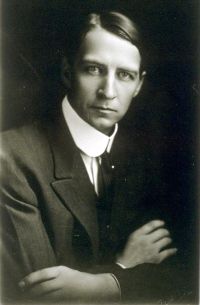
Portrait of Anthony Trollope Anthony Trollope,  The West Indies and the Spanish Main

“ There are five booksellers houses, and the fashions are well displayed in other shops. The French colonists, whether Creoles* or French, consider the West Indies as their country. They cast no wistful looks towards France. They marry, educate, and build in and for the West Indies, and for the West Indies alone. In our colonies it is different. They are considered more as temporary lodging-places, to be deserted as soon as the occupiers have made money enough by molasses and sugar to return home. ”
Source: Gutenberg

Get perspective with Kwize: daily news enlightened by great literature