Deadlock

Definition and stakes

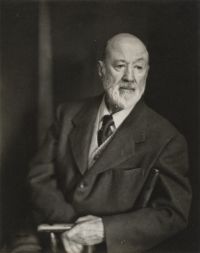
Beatrice Webb,  The History of Trade Unionism

“ It is impossible to deny that the perpetual liability to end in a strike or a lock-out is a grave drawback to the Method of Collective Bargaining. So long as the parties to a bargain are free to agree or not to agree, it is inevitable that, human nature being as it is, there should now and again come a deadlock, leading to that trial of strength and endurance which lies behind all bargaining. ”
Source: Gutenberg

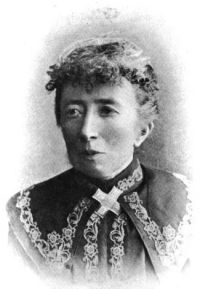
Portrait of Annie Besant Annie Besant,  The changing world, and lectures to theosophical students

“ If you look around you now, on every side you will see the signs of a closing age; thoughts which have reached a point beyond which they cannot continue on the old lines and in the old methods, that which I have called a deadlock; in all the most important departments of human thought and human activity, rapid, extraordinarily rapid, growth. ”
Source: Gutenberg

1911 Encyclopedia Britannica (1911)

“ In spite of all these difficulties the practice of arranging differences by conciliation and arbitration is undoubtedly spreading, and it is to be remembered that even in cases in which theoretically a basis for arbitration can scarcely be said to exist, recourse to that method may often serve a useful purpose in putting an end to a deadlock of which both parties are tired, though neither cares to own itself beaten. ”
Source: Wikisource

Get perspective with Kwize: daily news enlightened by great literature