Bolt

Definition and stakes

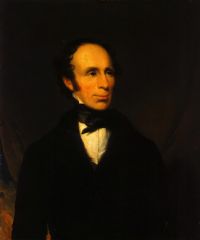
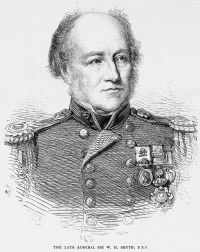
Portrait of Joshua Rose Joshua Rose,  Modern Machine-Shop Practice, Volumes I and II

“ When a bolt has no head, but is intended to screw into the work at one end, and receive a nut at the other, it is termed a stud or standing bolt. The simplest form of standing bolt is that in which it is parallel from end to end with a thread at each end, and an unthreaded part in the middle, but since standing bolts or studs require to remain fixed in the work, it is necessary to screw them tightly into their places, and therefore firmly home. ”
Source: Gutenberg

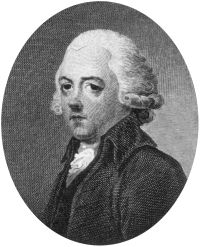
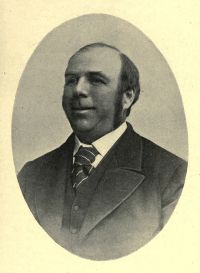
Portrait of Robert S. Ball Robert S. Ball,  Experimental Mechanics

“ One of the most useful applications of the screw is met with in the common bolt and nut, shown in Fig. 45. It consists of a wrought iron rod with a head at one end and a screw on the other, upon which the nut works. Bolts in many different sizes and forms represent the stitches by which machines and frames are most readily united. There are several reasons why the bolt is so convenient. It draws the parts into close contact with tremendous force; it is itself so strong that the parts united practically form one piece. ”
Source: Gutenberg

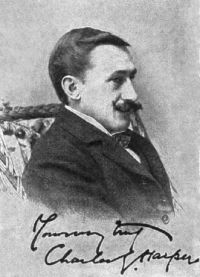
Portrait of Charles G. Harper Charles G. Harper,  The South Devon Coast

“ The slaty stratification of the surrounding rocks lends itself to the most outlandish horrent shapes of monstrous jibing faces, anvils, halberds, battle axes, and the likeness of a perfect armoury of magic weapons of offence, taking their most uncanny guise in the ragged mists that almost always enwrap and cling about The Bolt. ”
Source: Gutenberg

Get perspective with Kwize: daily news enlightened by great literature