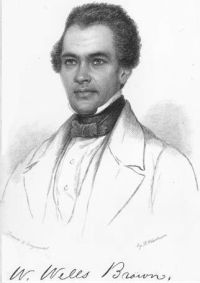
“ Conservatives disagreed with Brown about the clergy reserves, but if the reserves must be secularized, every Conservative in Canada would join Brown in his crusade against Roman Catholic endowments." Then follows this estimate of Brown's character: "In George Brown we see no agitator or demagogue, but the strivings of common sense, a sober will to attain the useful, the practical and the needful. He has patient courage, stubborn endurance, and obstinate resistance, and desperate daring in attacking what he believes to be wrong and in defending what he believes to be right. ”
George Brown
Definition and stakes
George Brown (1818–1880), a Scottish-born Canadian journalist and politician, was a pivotal figure in Confederation and a founder of the Toronto Globe, Canada’s influential newspaper. As a Reform leader, he championed secular education, Upper Canada’s autonomy, and national unity.
Authors like John Lewis praised his pragmatic resolve and campaign against clerical endowments, while John George Bourinot noted his death resulting from an assassination attempt. His legacy intertwines journalism and politics, shaping Canada’s early national identity through advocacy and reform.
Quotes about “George Brown”
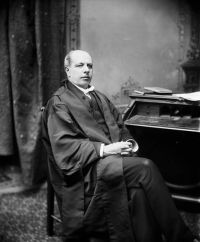 John George Bourinot,
Canada under British Rule 1760-1900
John George Bourinot,
Canada under British Rule 1760-1900
“ It was on a lovely May day of 1880 that the eminent journalist and politician, George Brown, died from the effects of a bullet wound which he received at the hand of one Bennett, a printer, who had been discharged by the Globe for drunkenness and incapacity. The Conservative party in 1888 suffered a great loss by the sudden decease of Mr. Thomas White, minister of the interior in the Macdonald ministry, who had been for the greater part of his life a prominent journalist, and had succeeded in winning a conspicuous and useful position in public affairs as a writer, speaker, and administrator. ”
Samuel V. Leech, The Raid of John Brown at Harper's Ferry as I Saw It
“ Men like Henry Ward Beecher, Ralph Waldo Emerson, George B. Cheever, William Lloyd Garrison, Wendell Phillips and Theodore Parker, delivered eulogies on Brown after he had been hung. They most eloquently denounced slavery from pulpits and platforms; but they lived in the limelight of oratorical popularity and flourished amidst luxurious ease. To Brown's immortal credit be it said that he gave domestic security, his humble fortune, his perillous work, the lives of his cherished sons and his own blood and life for the anti-slavery opinions that were anchored in his soul. ”