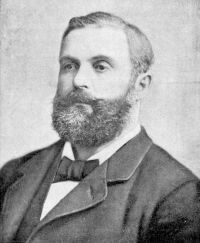
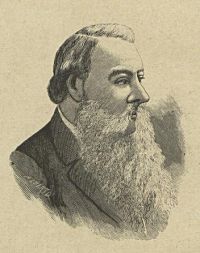
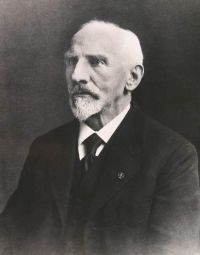
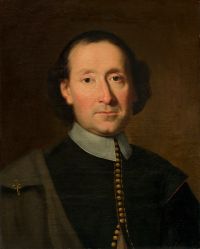
Governor-General of the Dutch East Indies

Definition and stakes

George Edmundson History of Holland

This was the state of things when Jan Pieterzoon Koen became governor-general in 1615. This determined man, whose experience in the East Indies was of long date, and who had already served as director-general, came into his new office with an intense prejudice against the English, and with a firm resolve to put an end to what he described as their treachery and intrigues. "Were they masters," he wrote home, "the Dutch would quickly be out of the Indies, but praise be to the Lord, who has provided otherwise. They are an unendurable nation."
Source: Gutenberg

1911 Encyclopædia Britannica, Volume 17… (1911)

The governor-general not only has supreme executive authority, but can of his own accord pass laws and regulations, except in so far as these, from their nature, belong of right to the home government, and as he is bound by the constitutional principles on which, according to the Regulations for the Government of Netherlands India, passed by the king and States-General in 1854, the Dutch East Indies must be governed. There are nine departments, each under a director: namely, justice; interior; instruction, public worship and industry; agriculture (created in 1905) ; civil public works
Source: Wikisource

1911 Encyclopædia Britannica (1911)

The rigid monopoly it enforced wherever it had the power provoked the anger of rivals. When Pieter Both, the first governor-general, was sent out in 1608, his instructions from the Board of Control were to see that Holland had the entire monopoly of the trade with the East Indies, and that no other nation had any share whatever. The pursuit of this policy led the company into violent hostility with the English, who were also opening a trade with the East. Between 1613 and 1632 the Dutch drove the English from the Spice Islands and the Malay Archipelago almost entirely.
Source: Wikisource

Get perspective with Kwize: daily news enlightened by great literature