Henry of Gloucester

Definition and stakes

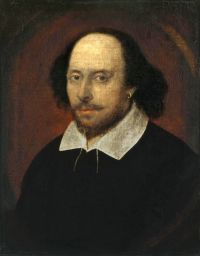
Portrait of William Shakespeare William Shakespeare Henry VI, Part 1 (1623)

OF WINCHESTER Gloucester, whate'er we like, thou art protector
And lookest to command the prince and realm.
Thy wife is proud; she holdeth thee in awe,
More than God or religious churchmen may.
GLOUCESTER Name not religion, for thou lovest the flesh,
And ne'er throughout the year to church thou go'st
Except it be to pray against thy foes.
BEDFORD Cease, cease these jars and rest your minds in peace:
Let's to the altar: heralds, wait on us:
Instead of gold, we'll offer up our arms:
Since arms avail not now that Henry's dead.
Source: http://shakespeare.mit.edu/1henryvi/full.html

Kenneth Hotham Vickers Humphrey, Duke of Gloucester: A Biography

Gloucester was an able man and a brave soldier, but he could never have become even a passable commander. Within circumscribed limits he had no equal; there was no captain in the English army who could have surpassed him before Cherbourg, but under no circumstances could he have taken the position which his great brother holds in military history. The natural bent of his mind was inclined to the interests of the moment, and he could never have planned out a campaign, or nursed his men up to a supreme effort, as did Henry on the march to Agincourt.
Source: Gutenberg

W. H. Wilkins A Queen of Tears, vol. 1 of 2

In 1776 they returned to England with their two children, Prince William Henry and the Princess Sophia. Their conduct was so irreproachable that a reconciliation took place between the Duke and the King, and the Duchess of Gloucester and her children were duly acknowledged. Prince William Henry of Gloucester eventually married his cousin, Princess Mary, daughter of George III.
The Duke of Gloucester was received with every mark of respect, and his visit to Copenhagen was a continual round of festivity.
Source: Gutenberg

Get perspective with Kwize: daily news enlightened by great literature