Hijra

Definition and stakes

Hadith — Volume 004, Book 058: Merits of the Helpers in Madinah…

“ Abdullah bin 'Umar used to say, "There is no more Hijrah (i.e. migration) after the Conquest of Mecca."
Number 240: Narrated 'Ata bin Abi Rabah:
'Ubaid bin 'Umar Al-Laithi and I visited Aisha and asked her about the Hijra (i.e. migration) , and she said, "Today there is no (Hijrah) emigration. A believer used to run away with his religion to Allah and His Apostle lest he should be put to trial because of his religion. Today Allah has made Islam triumphant, and today a believer can worship his Lord wherever he likes.
”
Source: Wikisource

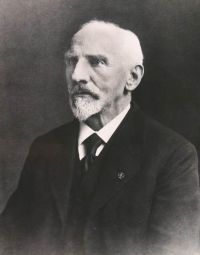
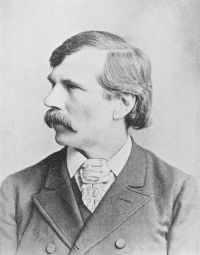
Portrait of William Muir William Muir,  The Caliphate: Its Rise, Decline and Fall…

“ The 40th year of the Hijra opened with a new grief for 'Ali. When the time of pilgrimage came round, Mu'awiya sent Busr, a brave but cruel captain of his host, with 3000 men into Arabia, to secure for him the allegiance of the Holy Places. As he drew nigh to Medina, the governor fled and Busr entered unopposed. Proceeding to the Mosque, he mounted the sacred steps of the Prophet's pulpit, and recalling 'Othman to mind, addressed the people thus: "O citizens of Medina! The aged man! Where is the grey-haired aged man whom, but as yesterday, and on this very spot, I swore allegiance to? ”
Source: Wikisource

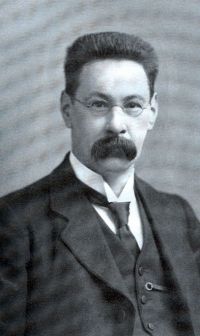
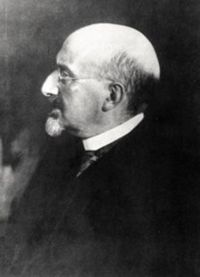
Portrait of Christiaan Snouck Hurgronje Christiaan Snouck Hurgronje,  Mohammedanism (1916)

“ If we wish to understand the whole or any important part of the system of Islâm, we must always begin by transporting ourselves into the third or fourth century of the Hijrah, and we must constantly bear in mind that from the Medina period downwards Islâm has always been considered by its adherents as found to regulate all the details of their life by means of prescriptions emanating directly or indirectly from God, and therefore incapable of being reformed. ”
Source: Wikisource

Get perspective with Kwize: daily news enlightened by great literature