Hira

Definition and stakes

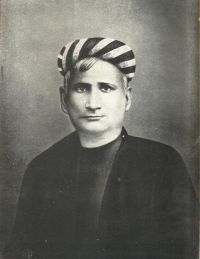
Portrait of Bankim Chandra Chattopadhyay Bankim Chandra Chattopadhyay,  The Poison Tree (1884)

“ THE FRUIT OF HIRA'S POISON TREE.
IRA has sold her precious jewel in exchange for a cowrie. Virtue may be preserved with much pains for a long time; yet a day's carelessness may lose it. So it was with Hira. The wealth to gain which she had sold her precious jewel was but a broken shell; for such love as Debendra's is like the bore in the river, as muddy as transient. In three days the flood subsided, and Hira was left in the mud.
”
Source: Wikisource

Bankimacandra Cattopadhyaya,  The Poison Tree: A Tale of Hindu Life in Bengal

“ The power which the ancient poets describe as having been used to disturb the meditations of Siva, who had renounced passion—by that power Hira had lost her cunning.
Then Debendra took his guitar, and, stimulated by wine, began to sing. His rich and cultivated voice gave forth such honied waves of song, that Hira was as one enchanted. Her heart became restless, and melted with love of Debendra. Then in her eyes Debendra seemed the perfection of beauty, the essence of all that was adorable to a woman. Her eyes overflowed with tears springing from love.
”
Source: Gutenberg

Portrait of Bankim Chandra Chattopadhyay Bankim Chandra Chattopadhyay,  The Poison Tree (1884)

“ Hira's eyes shone yet more brilliantly. For a few moments she forgot self, forgot Debendra's position and her own. She thought, "He is the husband, I am the wife; the Creator, making us for each other, designed long ago to bring us together, that we might both enjoy happiness." The thoughts of the infatuated Hira found expression in speech. Debendra discovered from her half-spoken words that she had given her heart to him. ”
Source: Wikisource

Get perspective with Kwize: daily news enlightened by great literature