Indian warfare

Definition and stakes

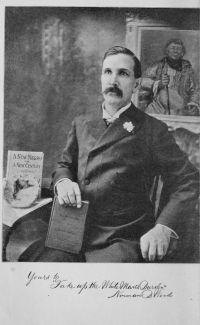
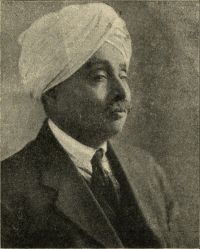
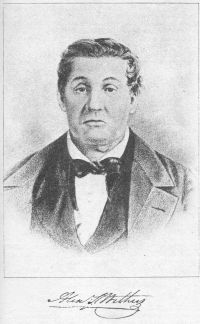
Portrait of Gustave Aimard Gustave Aimard,  The White Scalper: A Story of the Texan War

“ Indian warfare in no way resembles ours; it is composed of a series of tricks and surprises, and Indians must be forced by imperious circumstances to fight in the open; attacking or resisting without a complete certainty of victory is considered by them an act of madness. War, in their sight, being only an opportunity for acquiring plunder, they see no dishonour in flight when they have only blows to gain by resisting, reserving to themselves the right of taking a brilliant revenge whenever the chance may offer. ”

Source: Gutenberg

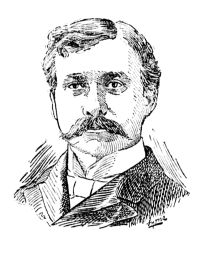
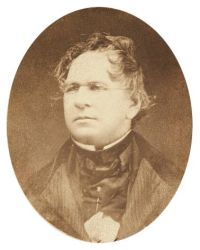
William L. Stone,  Life of Joseph Brant—Thayendanegea…

“ In justification of the savages' practices of Indian warfare, his course of reasoning was somewhat like the following: That the object of each party, when engaged in war, was to destroy his enemy, or to weaken and intimidate him so much as to force him into a reasonable peace. The Indians, he said, were destitute of many of the means and implements of war which the white people possessed. They could not successfully contend with them in the open field, man to man, because they had no artillery, so indispensable to, and so destructive in, a field fight. ”
Source: Gutenberg

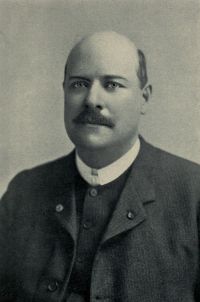
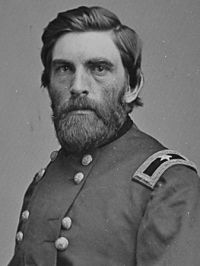
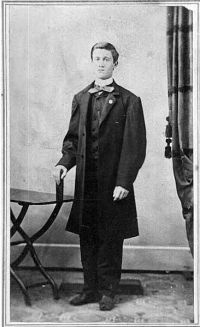
Portrait of Frances Fuller Victor Frances Fuller Victor,  Eleven Years in the Rocky Mountains & A History of the Sioux War (1881)

“ Indian warfare is, of all warfare, the most trying, the most dangerous, and the most thankless; not recognized by the high authority of the United States Congress as war, it still possesses for you the disadvantages of civilized warfare with all the horrible accompaniments that barbarians can invent and savages can execute. ”
Source: Wikisource

Get perspective with Kwize: daily news enlightened by great literature