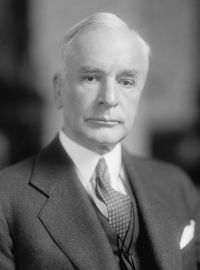
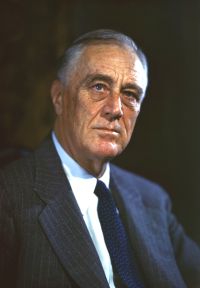
Indochina, a historical and geopolitical term denoting the region comprising present-day Vietnam, Cambodia, Laos, and surrounding areas, has long been a central point of strategic and ideological competition. From the mid-20th century onward, figures such as the Pentagon, Cordell Hull, and Henry Kissinger examined its importance as a Cold War frontier, underscoring its role in containing communism and safeguarding Western influence.
The Pentagon’s records emphasized Indochina’s strategic significance, portraying it as a crucial element for regional stability and a proving ground for anti-communist partnerships, while Hull’s diplomatic correspondence focused on securing international support for French Indochina’s independence. These viewpoints together illustrate Indochina as a disputed region where colonial histories, superpower conflicts, and local factors converged, shaping its intricate historical development.