Ingham

Definition and stakes

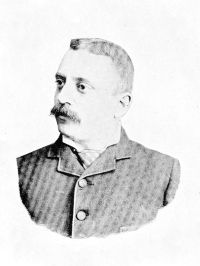
Portrait of Alfred Henry Lewis Alfred Henry Lewis,  Peggy O'Neal

“ I've seen no prouder, braver woman walk across a room, or one of a more nimble faculty or fortitude more broadly planted, than our Peg. My admiration spent its days to weave new wreaths for her.
It was the doting Ingham—he of our Treasury—to be witless enough to broach this business of feminine ice with Eaton. Ingham was a girthy person, and one's briefest consideration disclosed him for the vulgar Pennsylvania paper-maker he was. Short and thick of body, with thick legs, thick neck; even his tongue was thick, and his slow wits thickest of all. Of Ingham I shall not forget Jim's estimate.
”
Source: Gutenberg

L. Tyerman,  The Oxford Methodists (1873)

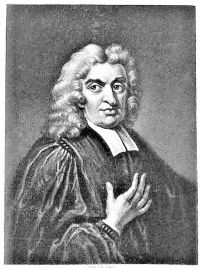
“ Charles Wesley became an ardent friend and advocate of Ingham. Hence the following extracts from his journal:—
“1756, October 1st.—I had an opportunity of vindicating my old friend, Benjamin Ingham. It is hard a man should be hanged for his looks,—for the appearance of Moravianism. Their spirit and practices he has as utterly renounced as we have: their manner and phrase cannot as soon be shaken off.”
Again:—
“1756, October 7th.—I rode on to Aberford. My old friend, Mr. Ingham, was labouring in the vineyard; but I had the happiness to find Lady Margaret at home, and their son Ignatius.
”
Source: Gutenberg

L. Tyerman,  The Oxford Methodists (1873)

“ The number of converts increased daily, and were formed into societies, like those in Yorkshire. Being formed, the next point was how to manage them. Ingham was consulted; and, by his advice they, also, were placed under the care of Moravian ministers. This prepared the way for the settlement of the United Brethren at Bedford, in 1745; and for the erection of their chapel there in 1751.
By these arrangements, Ingham freed himself from an immense amount of personal responsibility. His old friend, Wesley, was not only forming societies, but ruling them.
”
Source: Gutenberg

Get perspective with Kwize: daily news enlightened by great literature